
Brewing guide
Green, yellow, white, wulong, red, black – a brewing guide for every kind of tea.
Every tea brewing technique that brings you joy is the right one.
We’re here to share how we like to brew different teas and to spark new ideas for your own tea journey.

A guide for Chinese tea
Brewing Chinese tea – Gongfu Cha Style
Gongfu Cha is a traditional Chinese tea brewing technique that uses a high leaf-to-water ratio to bring out the tea’s full aroma, depth, and complexity. High-quality teas have the depth and structure to unfold gradually over many infusions — they’re not meant to be exhausted in a single steep. Through multiple short infusions, Gongfu Cha reveals the many layers of a tea’s character. The focus is on tasting and fully immersing oneself in the sensory experience.

Train your palate
There’s no single way to brew a certain tea — ratios and methods vary widely. Most tea sellers share their preferred brewing instructions to help you experience the tea as they envision it. However, if your goal is to train your palate and/or compare teas within the same category but of differing quality or differing styles, it’s helpful to use consistent brewing parameters over time. Here’s one approach you can start with:
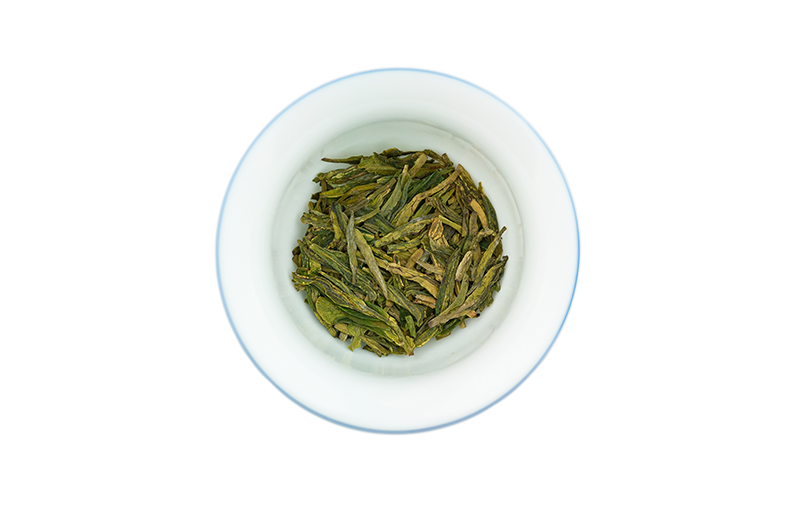
Green tea – 绿茶 lǜchá
Brewing technique:
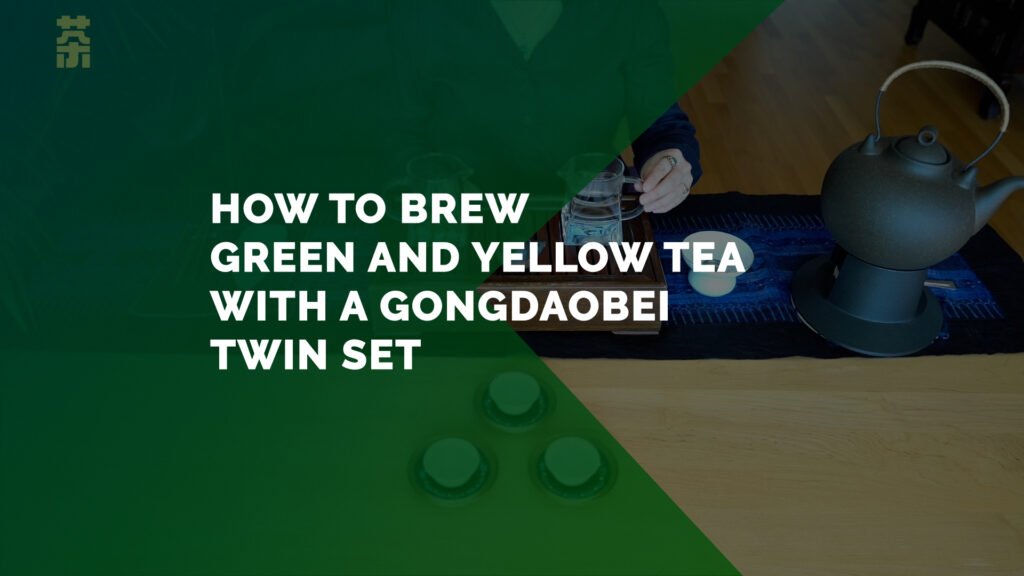
Set of two Gongdao Bei. Watch here to learn the technique.
Brewing instructions:
Tea Amount: 4 g
Water Volume: 300 ml
Water Temperature: 80°C
Steeping Time: 1st infusion- 1-2 minutes,
2nd to 4th – 30 seconds. High-quality teas can usually be brewed up to 4 times.
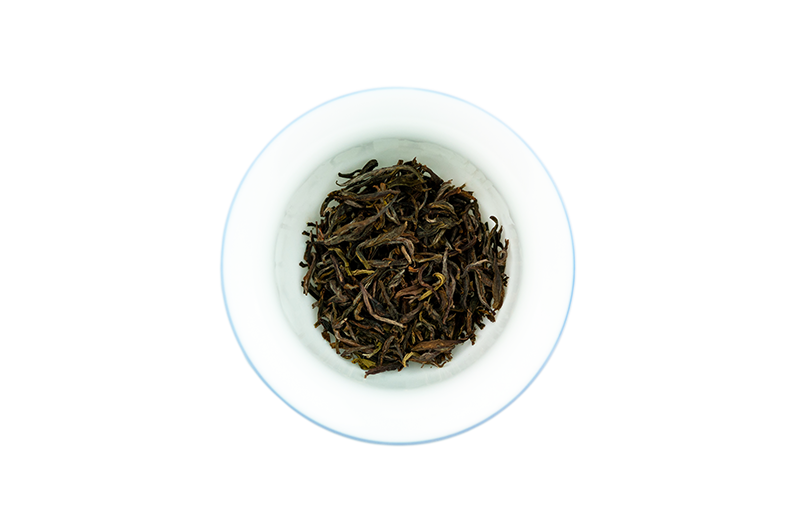
Yellow tea – 黄茶 huángchá
Brewing technique:
Set of two Gongdao Bei. Watch here to learn the technique.
Brewing instructions:
Tea Amount: 4 g
Water Volume: 200 ml
Water Temperature: 80°C
Steeping Time: 1st infusion – 1-2 minutes,
2nd to 4th – 30 seconds. High-quality teas can usually be brewed up to 4 times.
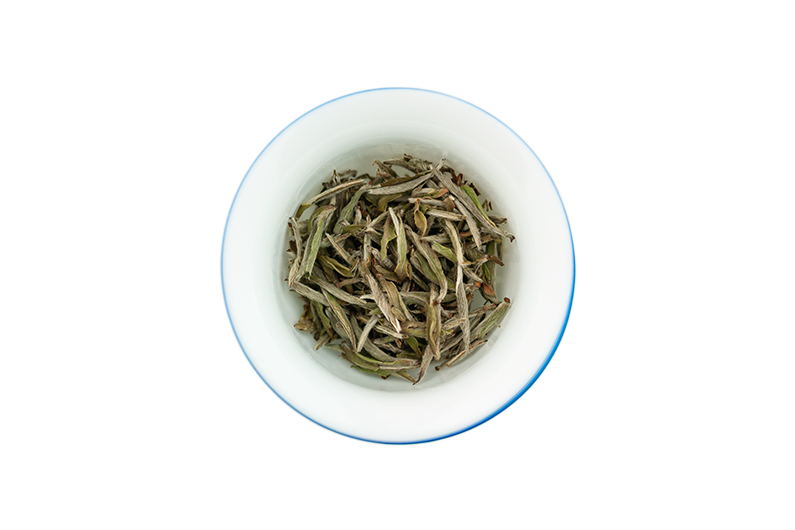
White tea – 白茶 báichá
Brewing technique:
Gaiwan. Watch here to learn the technique.
Brewing instructions:
Tea Amount: 5 g
Water Volume: 100 ml
Water Temperature: ≥ 95°C
Steeping Time: 3-10 sec. High-quality teas can be brewed multiple times — up to 9 infusions. Adjust the steeping time after the first few brews to suit your taste.
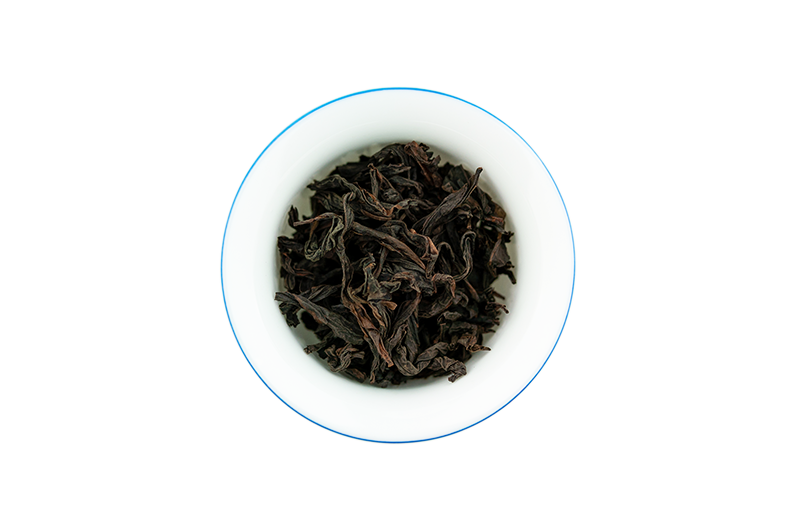
Wulong / Oolong tea – 乌龙 wūlóng
Brewing technique:
Gaiwan. Watch here to learn the technique.
Brewing instructions:
Tea Amount: 7 g for lighter roasted teas like Fenghuang Dancong and Tieguanyin,
8 g for stronger roasted teas like Wuyi Yancha
Water Volume: 100 ml
Water Temperature: 100°C
Steeping Time: 3-10 sec. High-quality teas can be brewed multiple times — up to 9 infusions. Adjust the steeping time after the first few brews to suit your taste.
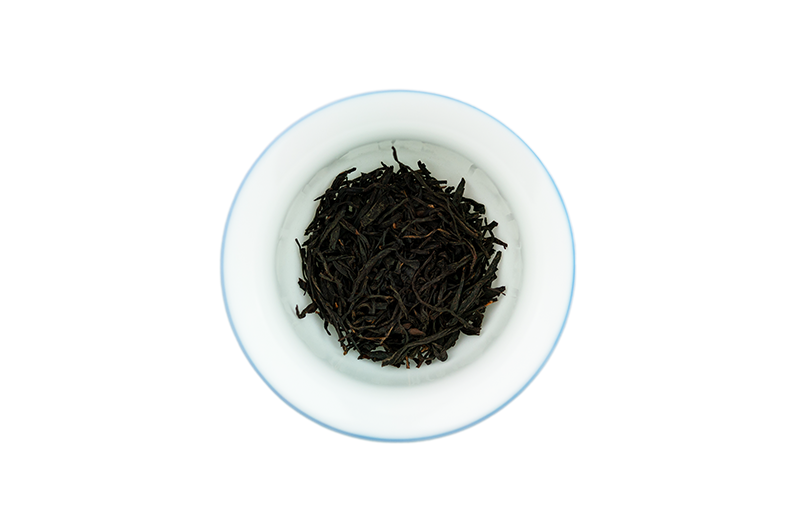
Red tea – 红茶 hóngchá
Brewing technique:
Gaiwan. Watch here to learn the technique.
Brewing instructions:
Tea Amount: 5 g
Water Volume: 100 ml
Water Temperature: 100°C
Steeping Time: 3-10 sec. High-quality teas can be brewed multiple times — up to 9 infusions. Adjust the steeping time after the first few brews to suit your taste.
Note: In Chinese tea terminology, hóngchá (红茶) means “red tea,” referring to the reddish color of the brew. In the West, it’s called black tea, based on the dry leaves. This naming mismatch arose from early cross-cultural misunderstandings and translation mix-ups that stuck over time.
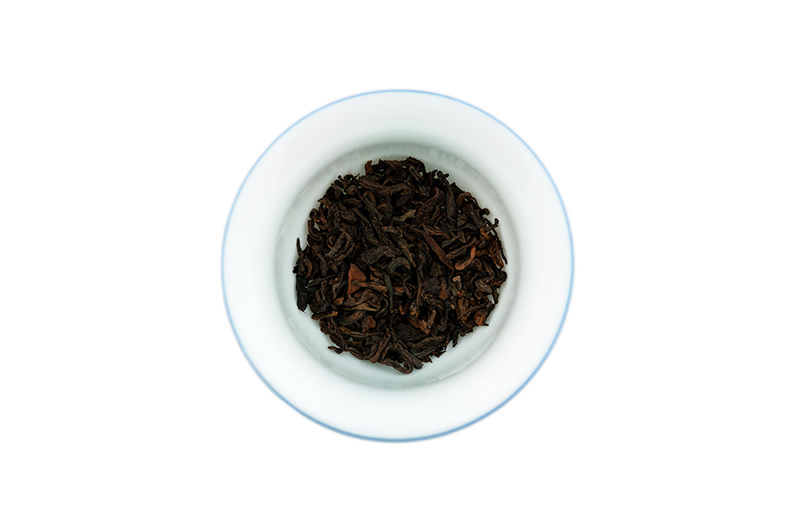
Dark tea – 黑茶 hēichá
Brewing technique:
Gaiwan. Watch here to learn the technique.
Brewing instructions:
Tea Amount: 5 g
Water Volume: 100 ml
Water Temperature: 100°C
Steeping Time: 3-10 sec. High-quality teas can be brewed multiple times — up to 9 infusions. Adjust the steeping time after the first few brews to suit your taste.
Note: In Chinese tea terminology, hēichá (黑茶) literally means “black / dark tea,” but it does not refer to what is called black tea in the West. Instead, hēichá is a separate category of post-fermented teas, like Pu’er shou cha (ripe Pu’er) or Liu Bao.
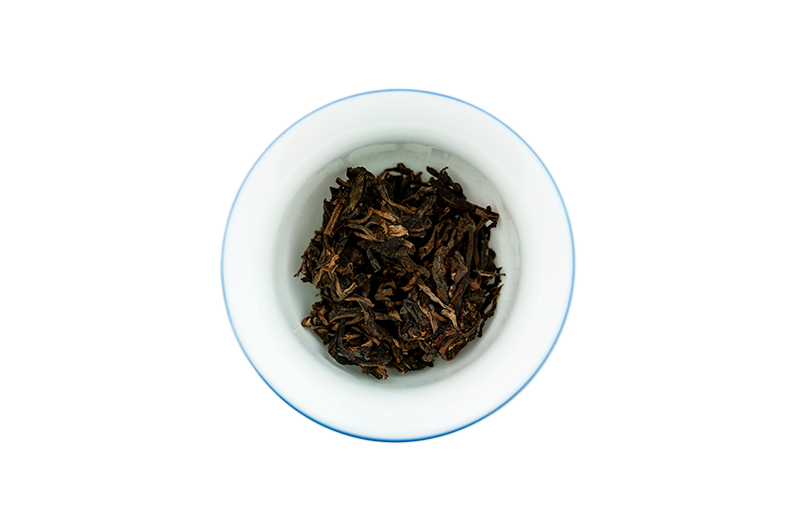
Pu’er tea – 普洱茶 pǔ’ěr chá
Brewing technique:
Gaiwan. Watch here to learn the technique.
Brewing instructions:
Tea Amount: 7 g for pǔ’ěr shēng chá (raw pu’er),
5 g for pǔ’ěr shú chá (ripe pu’er)
Water Volume: 100 ml
Water Temperature: 100°C
Steeping Time: 3-10 sec. High-quality teas can be brewed multiple times — up to 9 infusions. Adjust the steeping time after the first few brews to suit your taste.
Note: Raw and ripe Pu’er aren’t separate tea categories like green or white tea. In Chinese tea classification, they belong to broader categories based on how they’re made — raw to green tea, ripe to dark tea. They’re listed separately because of their distinct terroir, tea plant varieties, subtle variations in processing, and unique flavor profiles.